Alpine Review
Alpine Linux 3.24.0: The Security-First Minimalist Running Your Containers
Alpine Linux is the tiny, independent operating system you have probably been running for years without realizing it. If you have ever pulled a Docker image, there is a good chance the container underneath was Alpine: its small footprint made it the default choice for packing software into portable, disposable containers. It is a community-developed distribution from Norway with no corporate parent and no upstream base — DistroWatch lists it as fully Independent — and it was designed from the start for routers, firewalls, VPNs, VoIP boxes, containers, and servers rather than for desktop eye candy.
That server-and-appliance DNA sets Alpine apart from most of the distributions in our Void review, another independent, minimalist system — where Void keeps glibc and runit, Alpine goes its own way with the musl C library and BusyBox for its core tools, the same pairing found in embedded systems. The listing also credits Alpine with proactive security features such as PaX and SSP, designed to stop security holes in software from being exploited in the first place. It is a distribution that treats small and safe as the same goal.
The latest release listed by DistroWatch is Alpine Linux 3.24.0, released on June 10, 2026. The distribution is listed as Active, sits at rank 31 in the six-month DistroWatch popularity rankings with about 311 hits per day, and carries an average visitor rating of 9.0 out of 10 from 56 reviews — one of the highest ratings among mainstream distributions.
Alpine Linux 3.24.0 at a Glance
| Latest release | 3.24.0 (June 10, 2026) |
| Based on | Independent |
| Origin | Norway |
| Status | Active |
| Cost | Free |
| Package format | apk |
| Init system | OpenRC (with BusyBox) |
| Release pattern | Fixed releases roughly every six months (3.20 through 3.24 per the listing’s release history) |
| Desktop choices | GNOME, KDE Plasma, LXQt, MATE, Sway, Xfce |
| Architectures | aarch64, armv7, i486, loongarch64, ppc64le, riscv64, s390x, x86_64 |
| Typical ISO size | 300 MB to 1.4 GB, depending on edition |
| DistroWatch popularity | Rank 31 (311 hits per day, six-month average) |
| Visitor rating | 9.0/10 from 56 reviews |
Small by Design: musl, BusyBox, and Proactive Security
Most Linux distributions pair the GNU C library with a sprawling set of GNU utilities. Alpine swaps both out: musl replaces glibc and BusyBox replaces the traditional userland. Both are staples of embedded systems, and the result is a base system that is dramatically smaller and leaner than a typical GNU/Linux install. On a router, a firewall appliance, or a single-purpose container, every megabyte you skip is memory and attack surface you never had to secure.
Security is not just a side effect of smallness here. The DistroWatch listing explicitly highlights Alpine’s proactive security posture — PaX and SSP hardening that aims to prevent software vulnerabilities from being exploitable at all. That philosophy explains why Alpine appears in categories like Firewall, Security, and Telephony, and why it became the go-to foundation for containers, where a minimal base image is a security feature in its own right.
apk, OpenRC, and a Predictable Release Rhythm
Software on Alpine is managed by apk, the Alpine package manager, using the apk package format. Init duties are handled by OpenRC rather than systemd, a choice that fits the distribution’s lightweight philosophy and will feel familiar to anyone coming from another OpenRC system. If systemd’s orbit is your only experience, expect a shorter learning curve and simpler service scripts.
US Mobile | Plans As Low As $10, Get $30 Instantly
Releases follow a steady, predictable rhythm. The listing’s release history runs from 3.20.0 in May 2024 through 3.24.0 in June 2026, landing roughly every six months with a smaller point release in between. That cadence makes Alpine easy to plan around: you know roughly when the next branch arrives and can pin your containers or appliances to a stable version in the meantime.
Lightweight Desktops and Surprising Hardware Reach
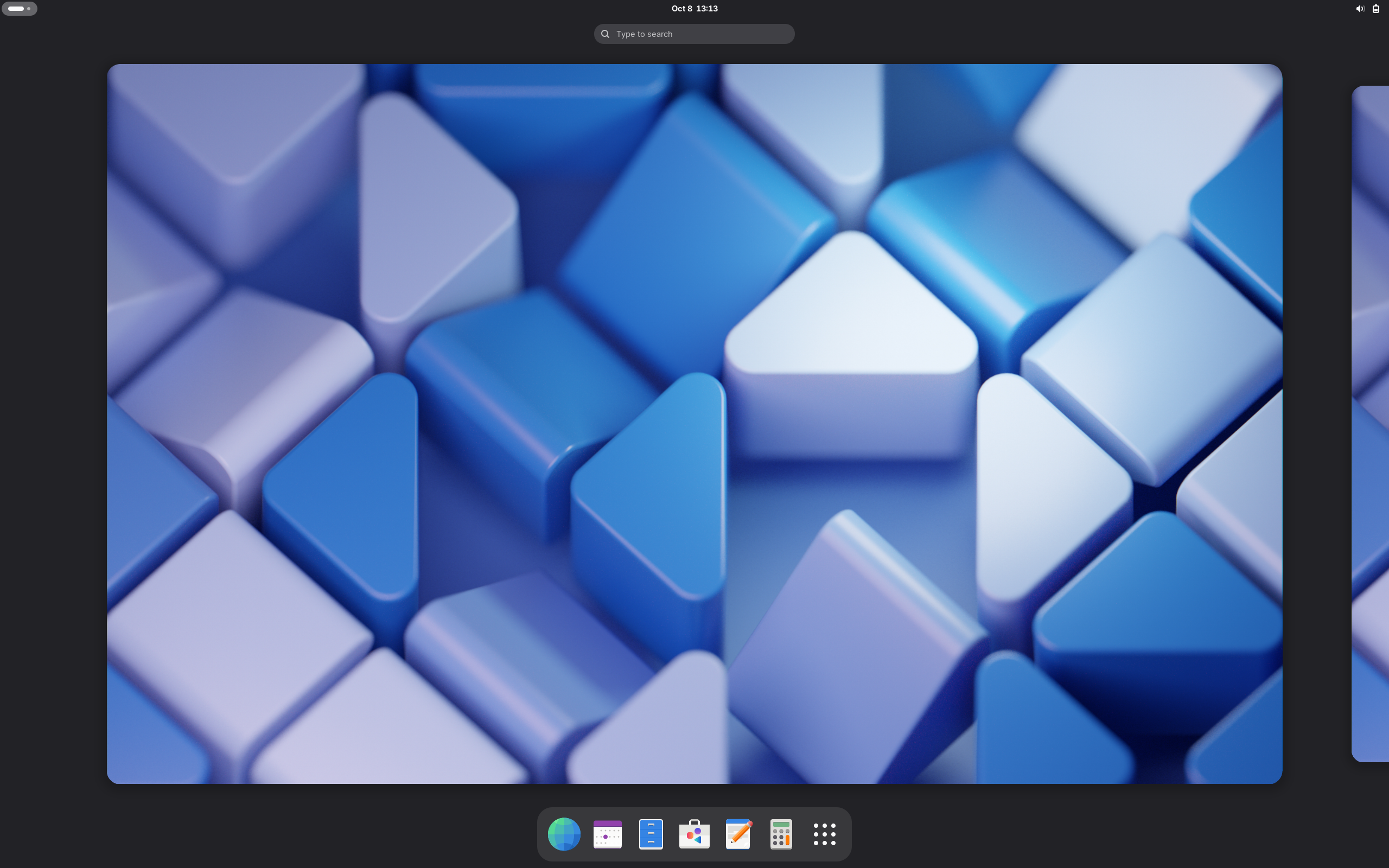
Alpine may be famous for headless servers, but the listing includes full desktop editions: GNOME, KDE Plasma, LXQt, MATE, Sway, and Xfce. The lighter options — LXQt, MATE, Sway, and Xfce — are the natural fit for the distribution’s minimalist character, and Alpine’s take on Xfce is worth comparing with MX Linux’s take on the Xfce desktop, another distro that prizes responsiveness on modest machines.
Hardware support is remarkably broad: eight architectures are listed, from modern x86_64 and aarch64 down to 32-bit i486, plus armv7, loongarch64, ppc64le, riscv64, and s390x. The Raspberry Pi and Load To RAM categories confirm that Alpine is comfortable on single-board computers and can run entirely from memory — a trait it shares with another featherweight in our antiX review, which is likewise built for older and underpowered hardware.
Where Alpine Really Shines: Servers, Firewalls, and Containers
Strip away the desktop editions and you find Alpine’s core audience: the Server, Firewall, Security, and Telephony categories paint the picture of a distribution that wants to live on the edge of your network and inside your infrastructure. It is the kind of system you install on a home firewall box, a VPN gateway, or a fleet of containers, then largely forget about while it does its job quietly.
AWS Alternative - Digital Ocean
That appliance focus is also what makes Alpine such a natural contrast to a general-purpose server base like Debian. Where Debian is the broad, all-rounder server classic, Alpine is the specialist: smaller, harder to break into, and happiest when it is doing one job with as little overhead as possible. If you run containers at any scale, you have likely already trusted Alpine with your workloads — this review just gives that invisible workhorse a name.
Who Should Try Alpine Linux?
- Container users and developers who want the smallest, most secure base images available.
- Anyone building a home firewall, VPN gateway, router, or VoIP appliance.
- System administrators who prefer OpenRC and musl over the systemd/glibc mainstream.
- Raspberry Pi and single-board-computer owners who need a lean system with broad architecture support.
- Tinkerers who want to try one of the highest-rated independent distributions on DistroWatch without a heavy install.
Final Thoughts
Alpine Linux 3.24.0 is a reminder that an operating system does not have to be large to be important. It is free, actively maintained, independently developed, and rated 9.0 out of 10 by DistroWatch visitors — all while remaining small enough to fit where other distributions cannot. It will not hold your hand the way a desktop-focused distribution does, but for containers, firewalls, and lean servers, few systems do more with less.
If Alpine’s independent, do-one-thing-well philosophy appeals to you, our Void review covers another lightweight independent worth exploring; and for a fuller desktop built on minimalist roots, MX Linux shows what a different featherweight can do.
For release details, package versions, and the full version history, see the Alpine Linux page at DistroWatch, which lists 3.24.0 (released June 10, 2026) as the latest release.